
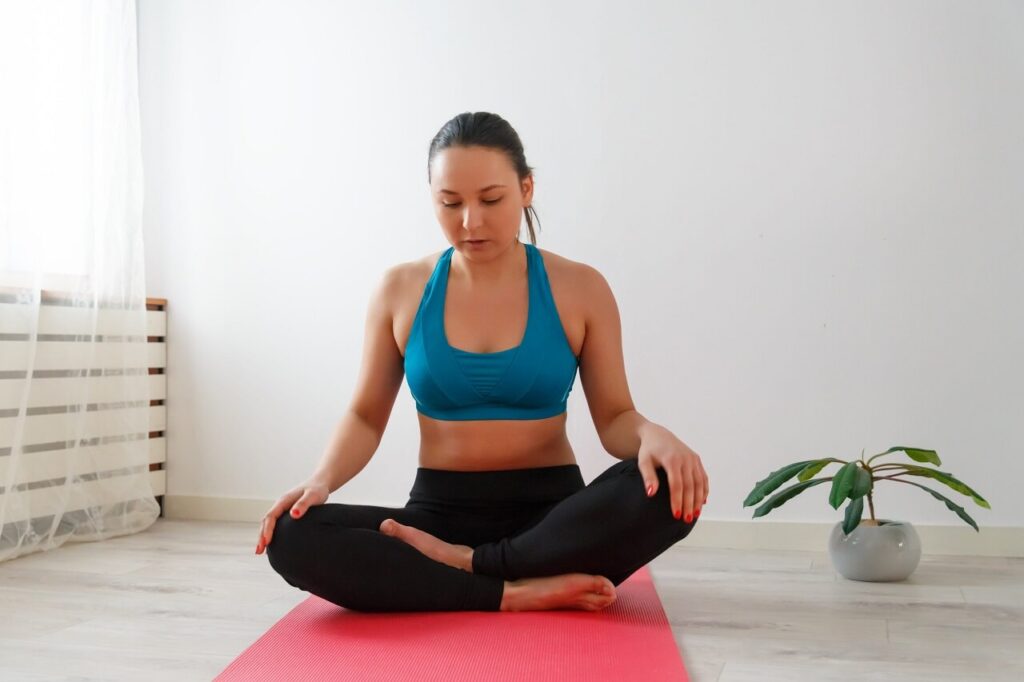
One Thursday night I took a fast power vinyasa class after a long day, expecting to float home and fall asleep. At 10:30 p.m. I was still wide awake, reorganizing my spice drawer by cuisine. My heart rate had settled, but my brain clearly had not received the memo about yoga being relaxing.
Nothing was wrong with me or with the class. A vigorous practice raises your energy before it lowers it, and slow practices can surface feelings you have been too busy to notice. Feeling calm after yoga is common, but it is one possible result, not a test you pass or fail.
Most People Feel Calmer After Class, but Not Everyone
Research on single classes does show a calming trend, but averages hide a lot. In a 2020 study of 144 regular practitioners across 11 yoga styles, tranquility and revitalization scores rose after roughly an hour of practice, while exhaustion scores dropped.
The researchers reported only group averages, and the study had no comparison group. An average that rises can still include people who left class feeling flat, restless, or worse than when they arrived.
Honestly, that finding comforts me more than it disappoints me. The study measured experienced practitioners who already liked yoga enough to attend regularly, so a beginner having a mixed first month is hardly an outlier.
Your mood after class also depends on what you carried in. A bad night of sleep, a tense commute, or an argument at lunch does not disappear because you rolled out a mat.
Fast Classes Can Leave You Buzzing for Hours
A strong vinyasa or power class is exercise first. It raises your heart rate and can leave you alert for hours, much like an evening run.
In the Reformer studio where I worked, heavy-spring classes showed me how differently one workout can land. Half the room left chatting loudly at the front desk, and the other half walked out silently.
| How You Feel After Class | Common Reason | What to Try Next Time |
|---|---|---|
| Wired and wide awake | Vigorous pace late in the day | Book it earlier or add 10 slow minutes |
| Wiped out | Harder than your day allowed | Take easier variations |
| Restless or irritated | Stillness after a busy day | Keep your eyes open in rest or shorten it |
| Weepy or flat | Feelings you were too busy to notice | Allow a quiet walk home |
None of these feelings means the class failed. Each one tells you what the class asked of you.
Why Stillness Sometimes Feels Worse Than Movement
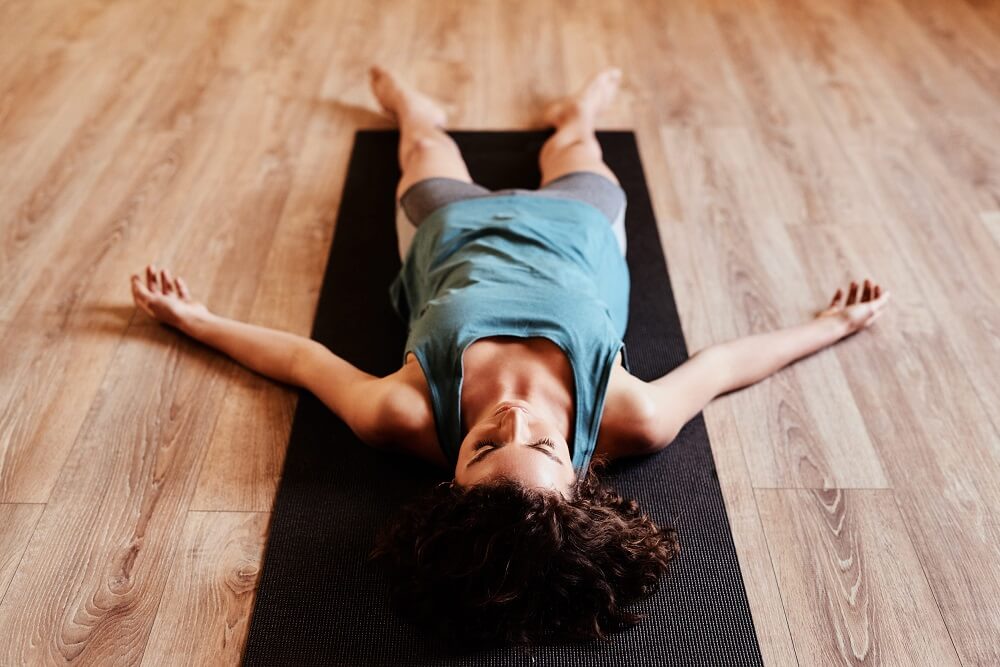
For my first few months of yoga, savasana annoyed me more than any pose. I lay there writing grocery lists in my head and wondering whether everyone else had found peace while I was planning tacos. Stillness gives your attention nowhere to go, so it lands on whatever you were already carrying.
Meditation researchers have documented the same thing in a far more serious form. A 2017 Brown University study of nearly 100 meditators and teachers catalogued 59 kinds of challenging experiences, including fear, anxiety, and panic. The study was not designed to measure how often those experiences happen, so it tells us they exist rather than how common they are.
- Restlessness often shows up when your body is tired but your mind is still busy.
- Irritation can mean the slow pace collides with a stressful day.
- Sadness sometimes appears simply because nothing is distracting you from it.
How Often People Actually Feel Worse After Yoga
Two large surveys give us real numbers, and both show that physical problems far outnumber emotional ones. Most reported problems are mild and pass quickly.
- A Japanese survey of 2,508 class attendees, run from April to June 2013, found that 27.8% had experienced at least one adverse event.
- Emotional symptoms in that survey were rare, including tension at 0.6%, anxiety at 0.2%, and recalling a bad memory at 0.2%.
- Feeling mentally or physically strained during class and being in poor shape that day were among the strongest risk factors.
- A German survey of 1,702 practitioners, conducted in the first half of 2016, found 21.4% reported acute adverse effects, nearly all musculoskeletal.
- Chronic effects reported in the German group also included sleep problems and depressive symptoms.
The Japanese risk factors match what I see. Pushing through a hard class on a bad day is when people leave feeling worst.
My Problem With Promising Bliss
I dislike class descriptions that promise you will “melt away all your stress” or leave “totally blissed out.” Those lines kind of set up a test, and anyone who walks out tense assumes they failed it. I have watched beginners decide yoga is not for them after one restless savasana, which is a shame and an avoidable one.
What I love instead is a teacher who ends class by asking how people actually feel and accepts whatever answer comes back. Grumpy counts. Tired counts. “I spent the whole class thinking about my inbox” counts too.

Intensity shapes memory. In a 2020 study of 42 adults, runs below their ventilatory threshold, the point where breathing starts to get noticeably harder, were remembered more positively than runs above it. The study used running, not yoga, but the same logic is worth remembering before a hard flow class.
What to Do When a Class Leaves You Off
In my experience, most uncomfortable feelings after class fade within an hour or two. When they keep repeating, adjust the practice before deciding yoga is not for you. I use the same small checklist on myself.
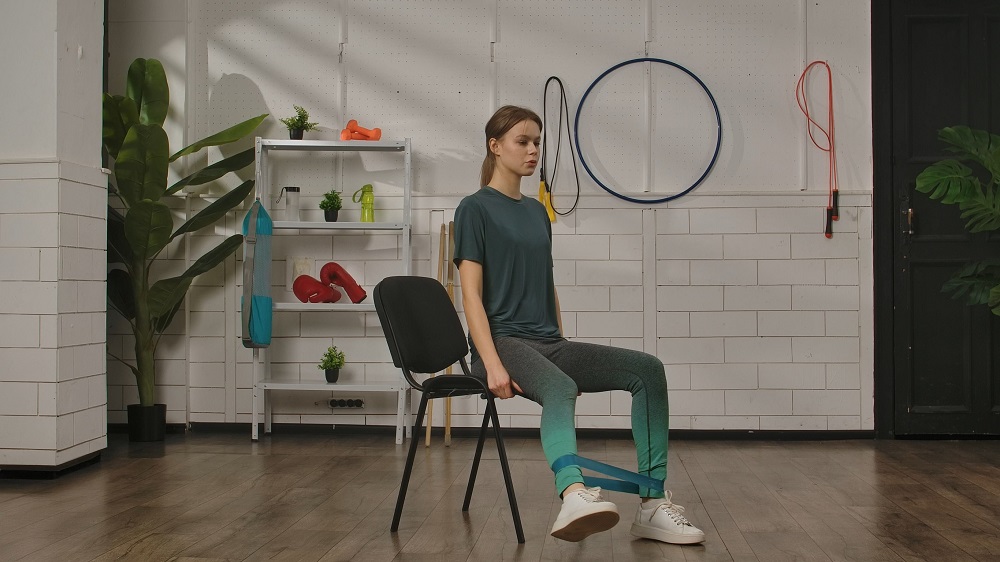
- Match the class to your day. A slow or chair-based yoga class can suit a depleted evening better than power flow.
- Take the easier version of hard poses on low-energy days.
- Keep your eyes open or sit up during rest if lying still feels uncomfortable.
- Give yourself 10 quiet minutes before jumping into calls or chores.
- Note how you feel an hour later, not just at the door.
Panic, flashbacks, low mood that lasts for days, or chest pain are different. Stop the practice and talk to a doctor or a licensed mental health professional.
This is what people often ask me:
1. Is it normal to cry during or after yoga?
It happens, especially in hip-focused or slow classes. Crying is not a sign of injury or of something being released from a muscle. Most teachers have seen it and will give you space without comment.
2. Why do I feel dizzy standing up after savasana?
Blood pressure can drop briefly when you go from lying flat to standing. Roll onto your side, pause in a seated position for a few breaths, and stand up slowly.
3. Can breathing exercises make anxiety worse?
Fast or forceful breathing, such as breath of fire, can cause tingling hands or lightheadedness. People prone to panic often do better with slow nasal breathing and should stop any technique that triggers symptoms.
At the End
I still take that Thursday power class sometimes, but now I take it at 6 p.m. instead of 8, and I walk home the long way. The spice drawer stayed organized by cuisine, which my roommate found impressive and slightly alarming. More importantly, I stopped treating the wired feeling as proof I had done yoga wrong.
If your next class leaves you buzzing, teary, or grumpy, write down the class style, the time, and how your day had gone. After three or four classes, you will usually see which part needs changing.