
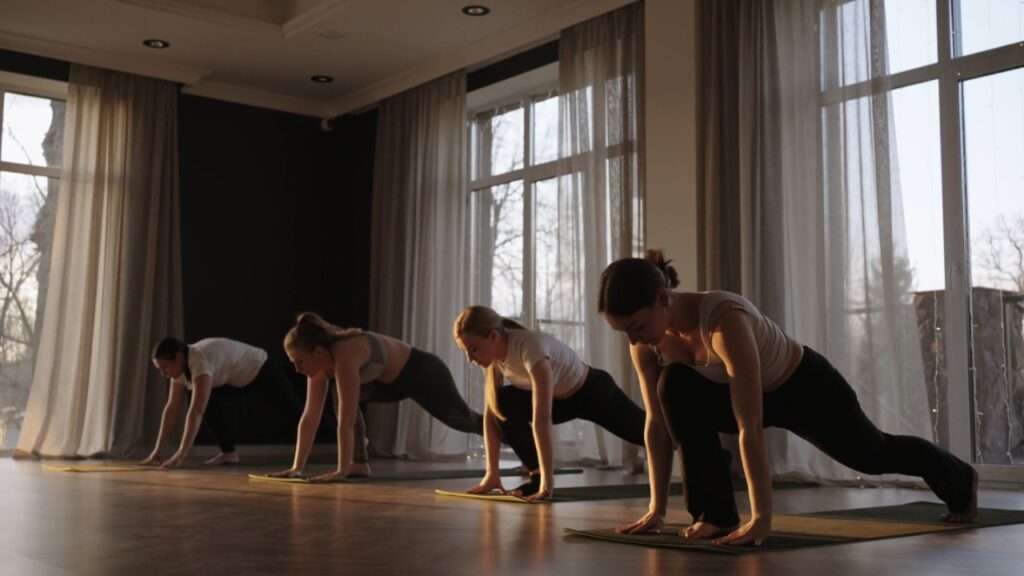
I knew Pilates had entered a new phase when people stopped asking me what a Reformer was and started asking where they could book the hottest class in town. Literally hottest.
Hot mat Pilates takes familiar mat work and puts it in a heated room with more sweat, louder music, and a very Gen Z sense of occasion.
I used to work in a Reformer studio, so I recognize what happens when one Pilates format suddenly becomes the class everybody wants.
The workout matters, of course. But the rush to book is also about friends, social media, studio culture, and who people see walking out afterward.
Hot mat Pilates is exactly what it sounds like
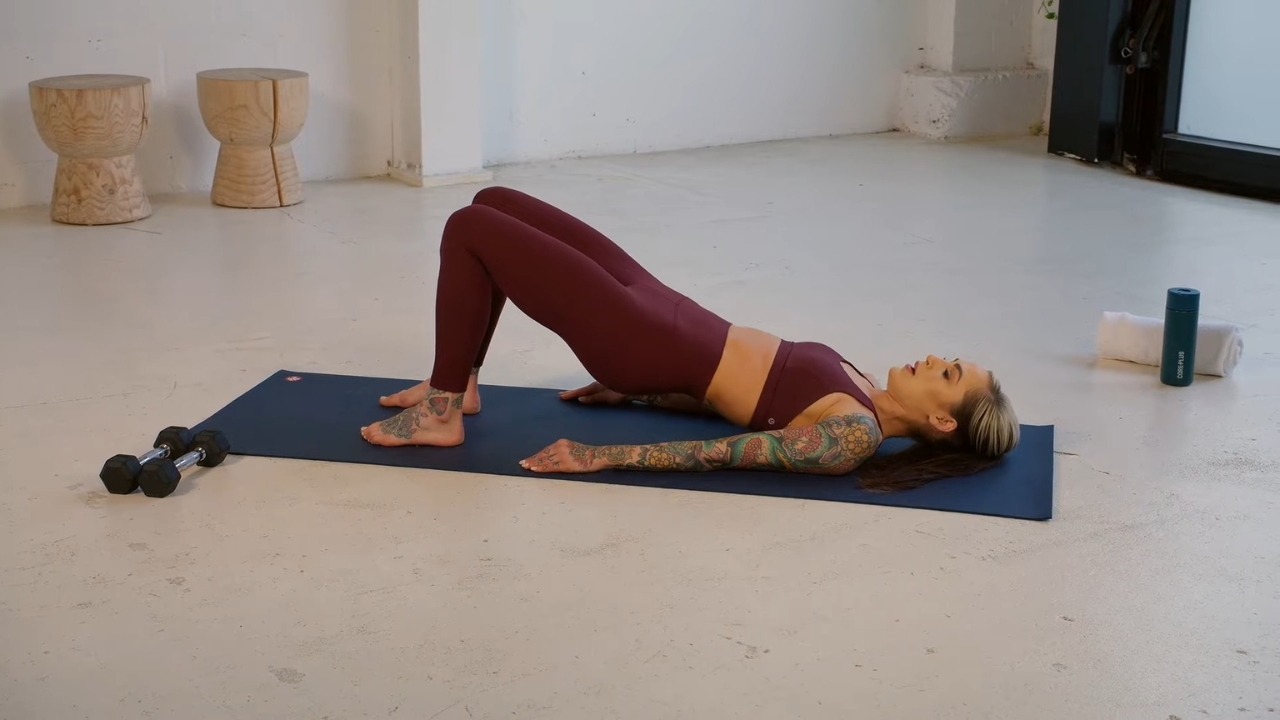
At its simplest, hot mat Pilates is mat Pilates performed in a heated studio. The exact temperature changes from place to place, and some classes stay quite close to traditional Pilates while others add light weights, quicker transitions, or short cardio sections. That difference matters because hot mat Pilates isn’t one standardized class.
The Pilates part should still look familiar. You are working on control, breathing, trunk strength, stability, and precise movement.
The heat adds another challenge because your body has to manage the temperature while you exercise. You will usually sweat more, and the class can feel harder even when the movements themselves aren’t more advanced.
I wouldn’t walk in expecting a sauna with a few leg circles. A good class should still feel like Pilates first.
Gen Z didn’t invent Pilates, but it changed who is booking it
This is where the numbers get interesting. Mariana Tek’s 2026 Pilates Industry Report, based on user data from North American studios, says 43 percent of Pilates customers are Gen Z.
Its figures include traditional Pilates and Pilates-inspired formats. The average Pilates client in its data was 32, compared with 35 across all fitness types.
One studio operator quoted in the report went further, saying hot mat Pilates was its most-attended class among Gen Z students. I wouldn’t stretch one operator’s experience into a rule for every studio in America, but it fits the larger Pilates boom.
ClassPass also reported that Pilates reservations grew 66 percent in 2025, while mat Pilates bookings jumped 114 percent. Younger clients are arriving at exactly the moment mat work is having a very big comeback.
The broader picture is just as impressive: Pilates was ClassPass’s most-booked workout for the third year in a row.
View this post on Instagram
The class gives social media almost everything it wants
I spent enough time around Pilates studios to know that people rarely choose a class for one reason. They might start because they want to get stronger, but the instructor, music, friends, schedule, and atmosphere often decide if they come back. Feeling like the class is for you counts too, something yoga studios trying to attract more men know well.
Hot mat Pilates bundles all of that into something very easy to share online. You have low lighting, matching mats, sweaty post-class faces, coordinated activewear, a playlist you will probably hear again on TikTok, and a room full of people doing the same movement together. The workout becomes part exercise and part social ritual.
I can already hear someone saying none of that should matter. Maybe it shouldn’t. It still does. If a nice studio and your friend texting “I booked us for 6” gets you through the door, I am not going to complain.
And then, of course, the celebrities arrived
Pilates had celebrity help long before hot mat became a Gen Z favorite, but this version has collected a very impressive guest list. Entertainment Tonight reported in 2025 that Hot Pilates founder Shannon Nadj had worked with Hailey Bieber, Kendall Jenner, Shay Mitchell, Lori Harvey, Sofia Richie, and Selena Gomez.
Then Hailey gave us a perfect little Pilates plot twist. Her 2026 comments about Pilates made headlines when she said it had become “a little bit of a fad” and complained that finding teachers who really care about form had become harder.
I admit, I enjoyed that comment. When the woman who has practically been cast as the Pilates princess starts side-eyeing Pilates culture, the trend has officially become big enough to gossip about.
I also agree with her on one thing. A famous client list can’t replace good teaching.
Why hot mat feels harder even without a Reformer
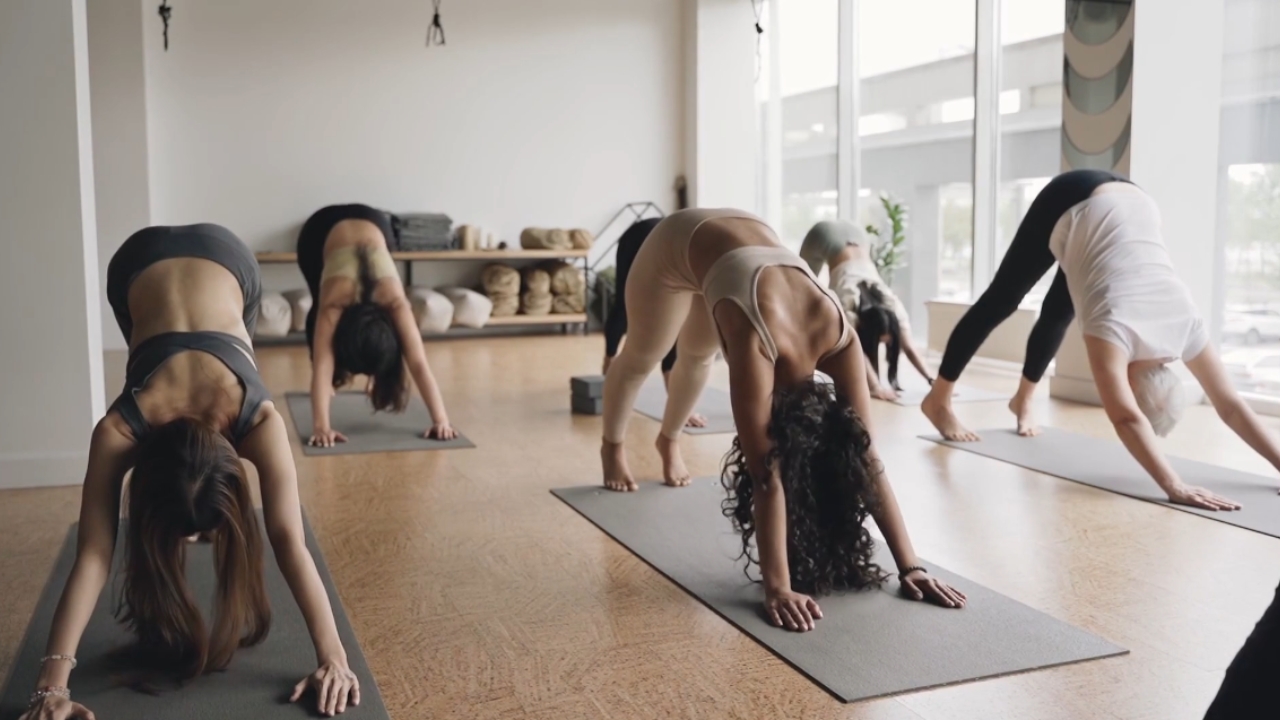
People sometimes assume mat Pilates is the easier version because there is no machine. I have never loved that comparison. In a Reformer studio, springs can resist you, but they can also support you. On a mat, your body doesn’t get that same help.
Add heat and the session can feel much more demanding. Your heart rate may rise as your body works to cool itself, and sweating becomes far more noticeable. That can create a very satisfying “I definitely worked out” feeling, which I suspect is part of hot mat’s appeal.
What I wouldn’t do is turn sweat into proof that a class burned more fat, removed toxins, or produced better results. A recent review of Pilates energy-cost research found the evidence limited and quite varied. Hot mat itself still needs much better direct research.
The heat is part of the experience
This is probably the least glamorous part of an article involving Hailey Bieber, but it is the part I would want a friend to read before booking. Exercising in heat adds stress. The CDC warns that exercising in hot conditions increases the risk of dehydration and heat-related illness.
That doesn’t mean healthy adults need to be scared of a heated class. It means the heat is a real training condition, not proof that the workout is secretly doing something magical.
- Drink water before class, not only once you feel thirsty.
- Start with an easier session if heated exercise is new to you.
- Stop if you feel faint, weak, confused, or unusually unwell.
If you are pregnant or have a medical condition that can affect heat tolerance, talk with a qualified health professional before trying it.
I understand why studios like the format too
From the studio side, hot mat Pilates makes a lot of sense. Reformers take space and put a hard limit on class size. That limited capacity is also a major reason Reformer Pilates classes cost more than mat classes. The gap can be substantial when you compare pilates class prices in the US.
A mat room can fit more people, and adding heat gives studios something that feels very different from following a mat workout on your living-room floor.
I saw the space problem every day when I worked in a Reformer studio. Once every machine had someone on it, that class was full. You could have another five people wanting the same time and nowhere to put them. With mats, a studio has much more room to play with class size.
That doesn’t make hot mats some cynical studio invention. People clearly enjoy it. I just think the combination works unusually well. Studios get a group format, clients get an experience that is hard to recreate at home, and social media happily handles part of the advertising.
The part Gen Z may have understood better than the rest of us
There is a tendency to laugh at every new Gen Z fitness habit once it gets a cute name. Pilates princess. Hot girl walk. Run club. Now hot mat Pilates. I am guilty of smiling at some of it too.
Still, underneath the names, there is something I like. Exercise doesn’t have to happen alone with headphones on while everybody avoids eye contact. A class can be a social plan.
You can meet a friend there, complain together when the instructor announces another set, grab coffee afterward, and still get a real training session in.
That same ClassPass report found that team and community-based workout reservations rose 24 percent globally in 2025. Maybe Gen Z’s clever move wasn’t making exercise look serious. It was making people want to show up together.
Would I book hot mat Pilates myself?
@itslindseyeaton finally tried hot mat pilates #hotmatclass #hotmatpilates #bakeryinatlanta #henrisbakery #buckheadworkout ♬ original sound – n 3^°7 !
Yes, but I would choose the instructor before I chose the lighting. Working in a Pilates studio made me fussy about that.
I would look for someone who explains the movement, gives options, watches the room.
Hot mat Pilates has all the ingredients of a class Gen Z was going to love. Pilates was already booming, mat work is easier to scale than Reformer classes, and a heated studio turns a familiar workout into a social experience that looks very good online.
Add a celebrity trail and the occasional waitlist, and of course people want in. I am more interested in what happens after the trend cools down.
If studios keep the teaching good and the claims sensible, hot mat doesn’t need to remain the internet’s favorite workout forever. It only needs to be a class people still enjoy booking when nobody is filming it.