
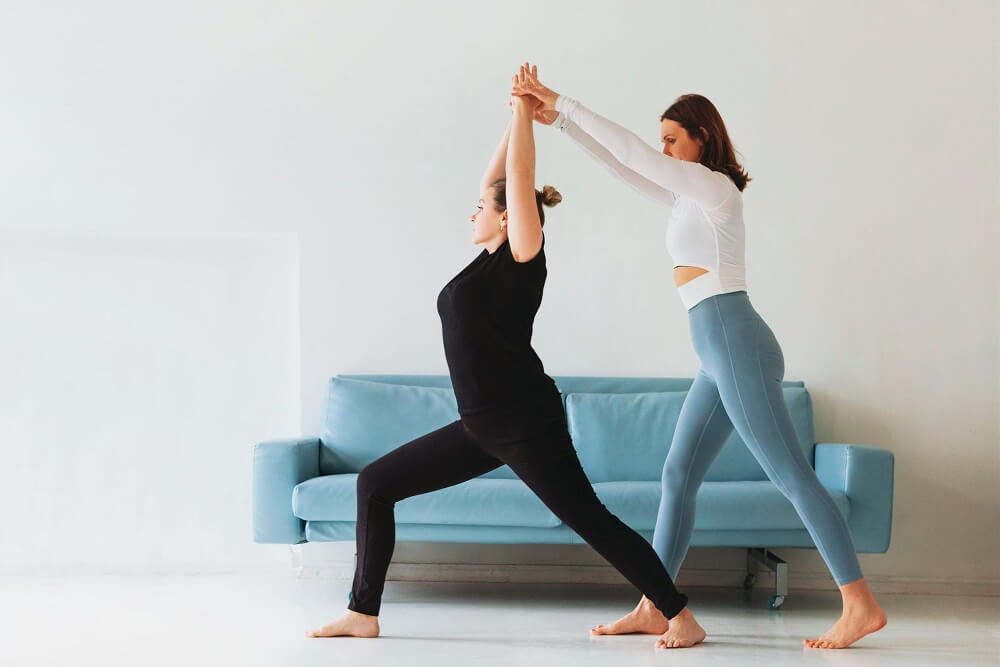
In my first year of yoga, a Tuesday teacher told me to tuck my tailbone in Warrior II. On Saturday, a different teacher looked around the room and asked everyone to stop tucking. That night I stood sideways to my hallway mirror, trying both versions like someone comparing two paint samples.
Neither teacher was careless, and neither was wrong. Each was fixing a different problem in a different group of students, and I had no idea which problem was mine. Contradictory cues usually work that way, so the useful question is not who is right but which habit the cue was meant to correct.
Pose Cues That Often Contradict Each Other
A handful of poses produce most of the confused questions I hear after class. Here are the usual pairs and the students each version tends to help.
| Pose | Cue A | Cue B | Who It Suits |
|---|---|---|---|
| Warrior I | Square your hips to the front | Let the back hip stay angled | Square for open hips, angled to spare the back knee when hips are tight |
| Arms overhead | Pull your shoulders down | Let your shoulders rise with the arms | Down for shruggers at rest, rising for a full overhead reach |
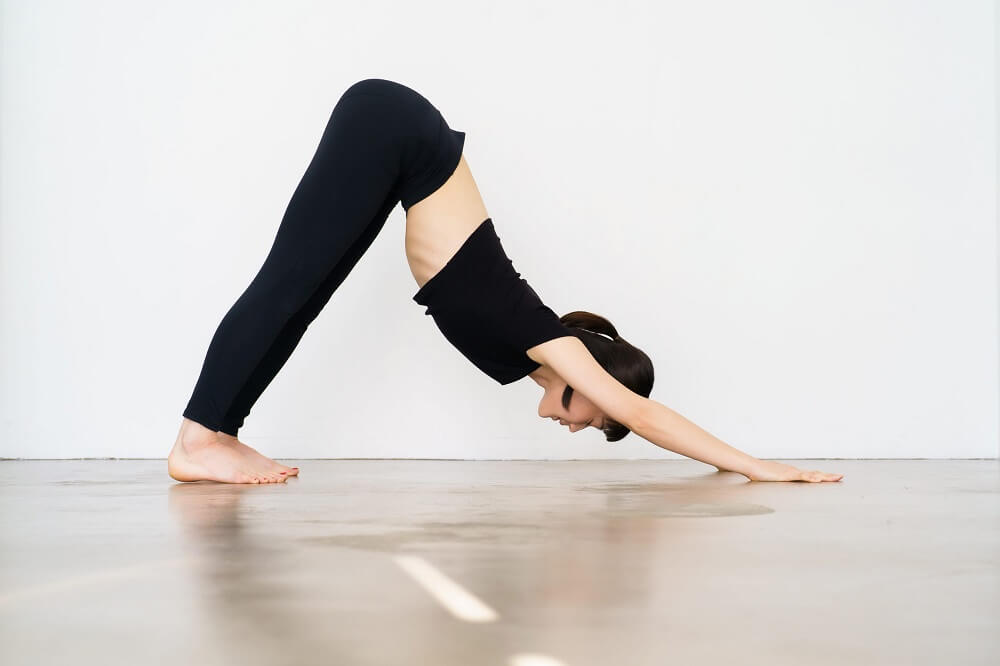
| Downward Dog | Heels to the floor | Bend your knees, lift your heels | Straight legs for long hamstrings, bent knees for tight ones |
| Standing poses | Tuck your tailbone | Keep your natural low-back curve | Tuck for a deep arch, neutral for a back that already flattens |
Picking one is not a moral choice, and a good teacher can tell you which one your body needs today.
Opposite Cues Usually Correct Opposite Habits
Most alignment cues are corrections, and a correction only makes sense for the person who needs it. A teacher looking at a room full of deeply arched lower backs will say tuck. Another teacher, facing students who already slump, will ask for the opposite.
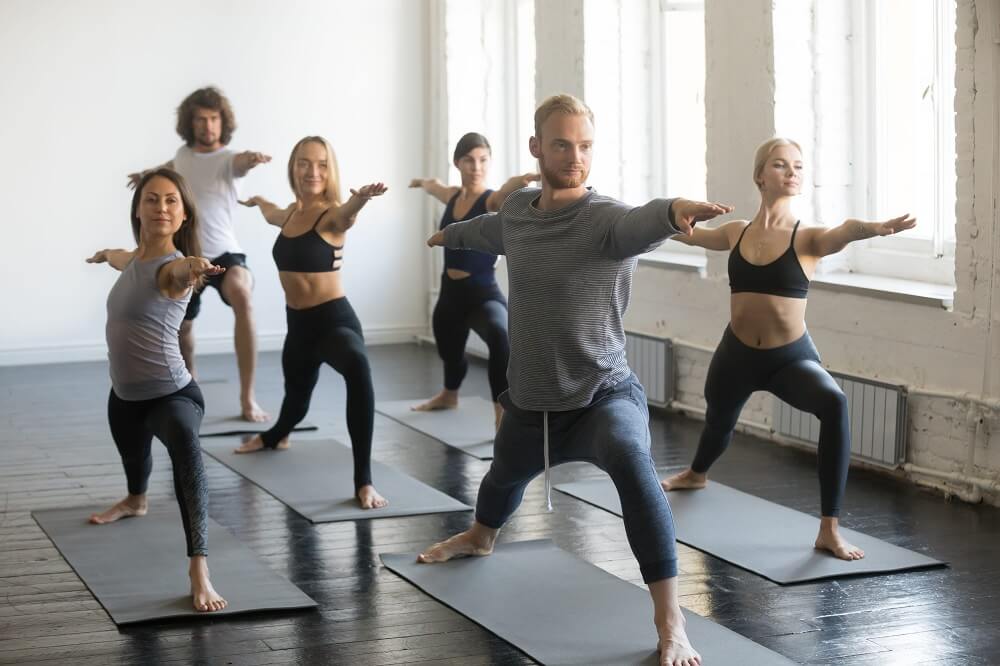
Cues also travel. Teachers pick up phrases in training and repeat them for years, often without knowing which habit the phrase was invented to fix. Traced back, most contradictions start in one of four places.
- Different bodies. Hip sockets, shoulder mobility, and hamstring length vary widely between students.
- Different goals. A cue for depth can clash with a cue for stability.
- Different lineages. Iyengar-trained teachers tend to cue precise positions, while many vinyasa teachers put breath and flow first.
- Inherited scripts. A phrase survives long after anyone remembers why it started.
Nobody Writes One Official Rulebook for Yoga Cues
I assumed for longer than I like to admit that a master list of correct cues existed somewhere. It does not. Yoga Alliance, the U.S. nonprofit that registers teacher-training schools, sets topics and hour minimums, but its standards for registered yoga schools leave the philosophy of cueing to each school.
Under the RYS 200 standards that took effect for newly registered schools on February 27, 2020, teaching methodology covers verbal, visual, and physical cueing. Each school is asked to describe its own position on those cue types.
Two teachers with identical 200-hour certificates may have been trained to say opposite things on purpose. Nobody broke a rule. I find that reassuring, because it turns a contradiction into a fair question rather than evidence of a bad teacher.
The Shoulder Cue I Stopped Giving
When I started teaching, I said “shoulders down, away from your ears” in nearly every pose, even with arms overhead. Students clamped their necks and fought their own arms, and I kept saying it because my teachers had. I now consider it one of the most overused cues in yoga.
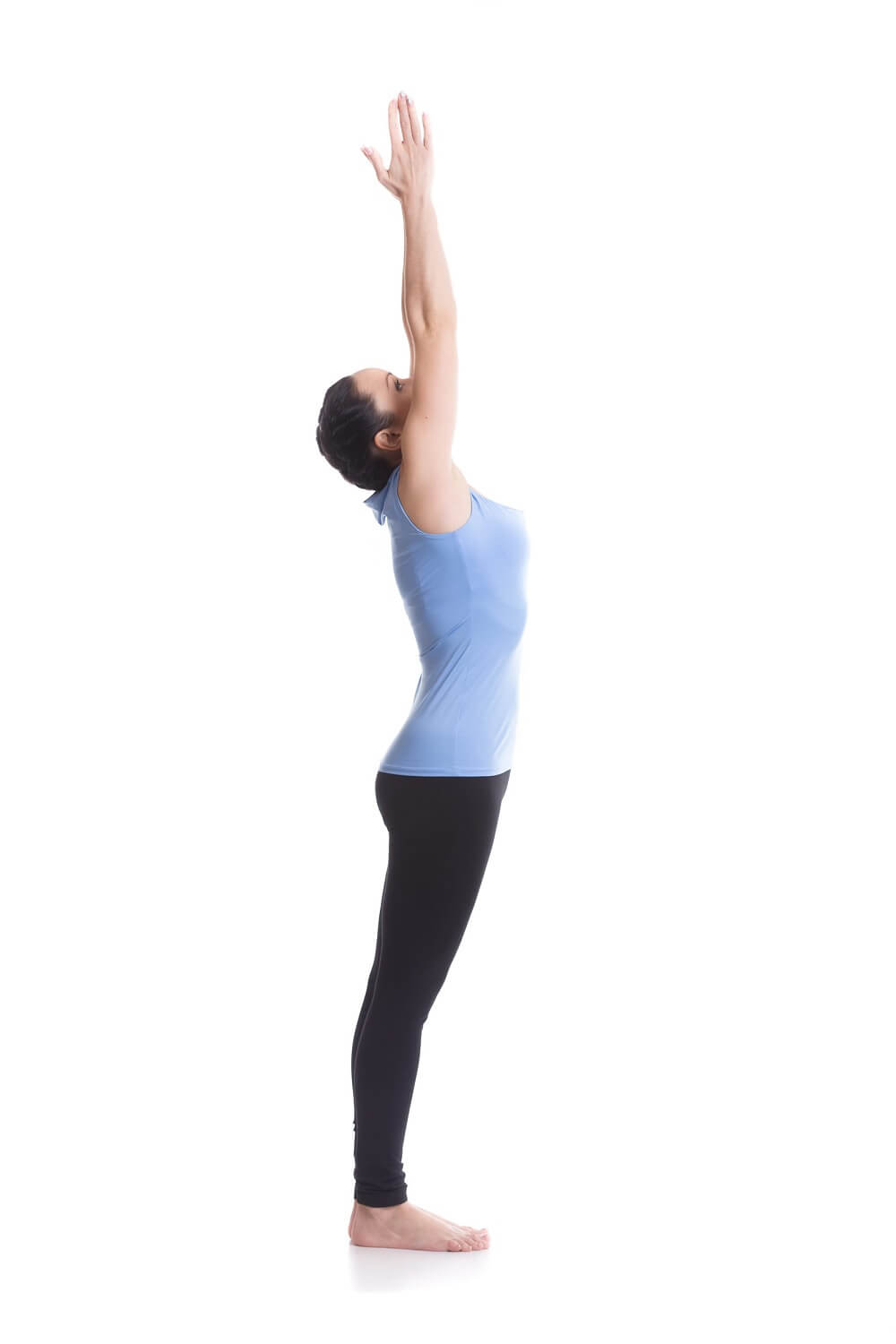
Raising your arms requires your shoulder blades to rotate upward and lift slightly. In a 2001 motion-tracking study of eight healthy volunteers, the shoulder blade rotated upward about 50 degrees during arm elevation, with the collarbone rising around 10 degrees.
Did you know? Upward rotation means the bottom tip of your shoulder blade swings out toward your armpit as the arm rises. Pinning it down fights that movement.
Now I say “reach your fingertips up and let your shoulder blades follow.” Necks usually soften within a breath or two.
What Reformer Footwork Taught Me About Contradictions
Working in a Reformer studio gave me the clearest example I know. One instructor would cue “heels heavy, press through your heels.”
Another, in the next class, told people to lift onto the balls of their feet. A new client cornered me at the front desk afterward and asked which instructor was wrong.
View this post on Instagram
Neither was. Reformer footwork moves through several foot positions, usually heels, arches, and toes, and each instructor was teaching a different part of the same series. Pulled out of context, each cue sounded like a contradiction.
Context is what a pre-recorded class struggles to give, which is part of why I have mixed feelings about Reformer studios that replace the instructor with a screen. A video can say the cue, but it cannot see which version you are actually doing.
Why Some Cues Simply Work Better
My favorite cues point your attention outside your body, and motor learning research backs that preference. A 2021 set of meta-analyses in Psychological Bulletin pooled 73 studies with 1,824 participants and found that focusing on a movement effect, like pushing the floor, beat focusing on body parts for performance. The advantage held across age groups, health status, and skill levels.
Most of those studies tested sports and lab tasks, not yoga, so I treat it as a strong hint, not a yoga verdict. It matches what I see when I reword a cue.
- “Push the floor away” instead of “engage your triceps” in Downward Dog.
- “Reach the crown of your head toward the wall” instead of “lengthen your spine.”
- “Press your back foot down like you are smoothing a wrinkle in the mat” instead of “activate your back leg.”
How to Choose Between Two Cues in Your Own Practice
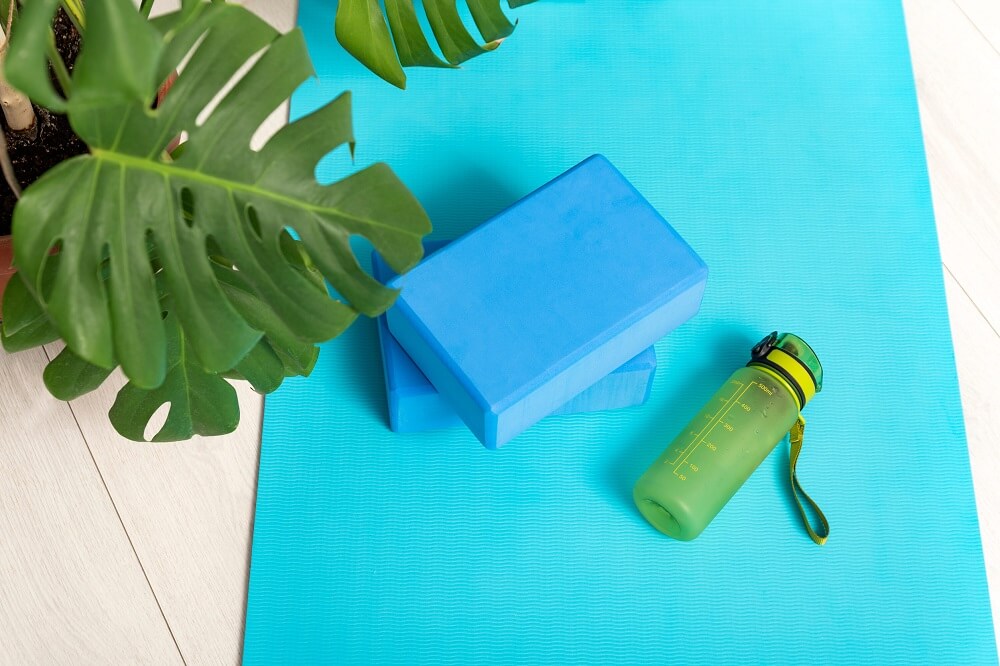
When two cues collide, run a small experiment instead of picking a side. I still do it on my mat before class while everyone else unrolls theirs.
- Try each cue for three slow breaths.
- Notice where the effort lands. A cue that moves strain into your knee, lower back, or neck is the wrong cue for you right now.
- Ask the teacher what the cue is meant to fix. Most of us secretly love that question.
- Keep the version you can hold while breathing steadily.
- Reach for a block, a strap, or a chair if a prop settles the conflict. Our piece on chair yoga as a real class explains why support is not cheating.
Sharp pain, or discomfort that lingers after class, is a different matter. A physical therapist or doctor should assess it before you try either cue again.
Back to My Hallway Mirror
I still think about that hallway mirror. The Tuesday teacher was probably looking at students with deeply arched lower backs, and the Saturday teacher at students who already tucked too much.
My own back sat somewhere in between, so I needed a little of each cue and someone to tell me which one applied when. Next time two teachers disagree about your Warrior II, ask each of them what problem the cue is solving.
Their answers will teach you more about your own body than either cue does on its own.