
If you have opened a fitness app or spent five minutes on social media lately, you have probably seen a row of Reformers.
I understand the curiosity. I used to work in a Reformer studio, and first-timers often gave the machines a cautious look before class started.
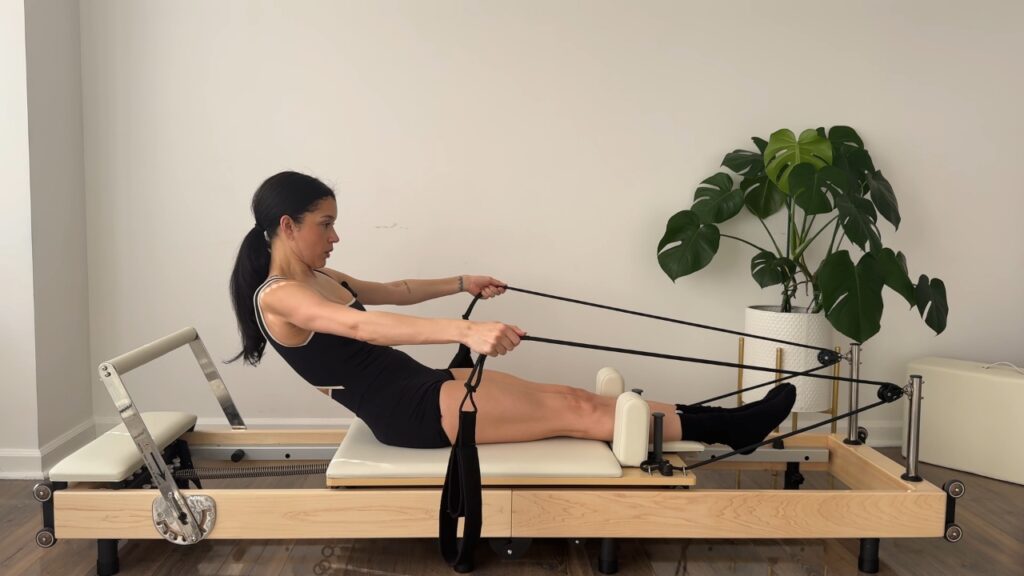
Reformer Pilates is simply Pilates performed on a spring-loaded machine with a moving carriage, straps, and a footbar. The equipment can add resistance, provide support, or make you work harder to control movement.
The recent booking boom is real, but the machine itself is almost a century old.
The machine looks complicated until you know four parts
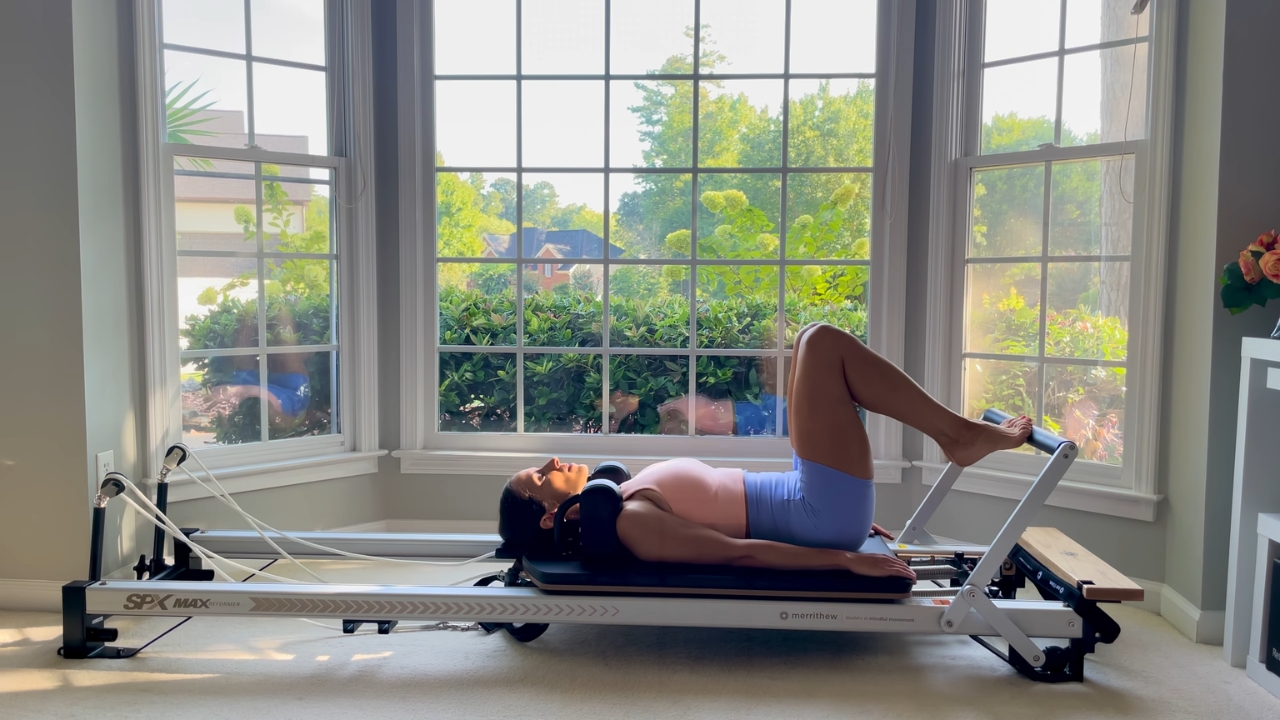
A Reformer does not automatically make Pilates harder. In some exercises, the springs help you complete a movement. In others, they add resistance. And sometimes, a lighter setting gives you less support and suddenly your legs start asking very reasonable questions about why you booked this class.
When I worked around Reformers every day, I learned that explaining the machine before the exercises made beginners relax almost immediately. It stops looking mysterious once you know what each part is doing.
- The carriage is the padded platform that rolls along the frame.
- The springs connect the carriage to the frame and change resistance or support.
- The straps and pulleys let you move the carriage with your hands or feet.
- The footbar gives you a solid surface to press against or hold.
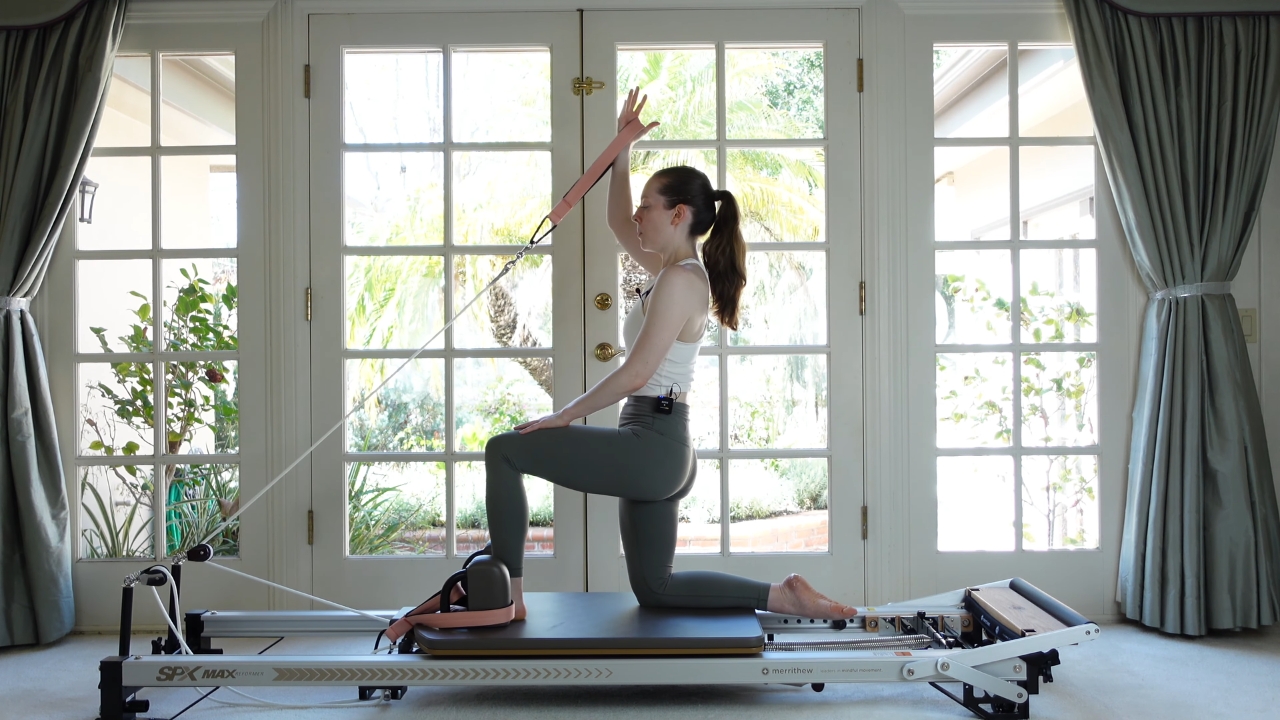
You can lie down, sit, kneel, stand, or work on all fours depending on the exercise. Joseph Pilates developed this apparatus decades before boutique fitness existed.
Did you know? Joseph Pilates patented the Reformer back in 1927. The Smithsonian even has a record of the original machine, which is a nice reminder that Reformer Pilates is definitely not a new fitness trend.
View this post on Instagram
The springs are the part beginners usually misunderstand
The first mistake people make is treating Reformer springs like weight plates at the gym. More springs must mean more difficulty, right? Not always.
Take a standing exercise performed on the moving carriage. A heavier spring may hold the carriage more firmly and give you more support. Remove some tension, and suddenly you have to control a surface that wants to travel farther. In another exercise, such as leg presses from lying down, extra spring tension can mean more resistance for the legs.
I used to watch people glance at the spring setting and try to guess if they had been given the hard version. There often is no single hard setting. The difficulty depends on the exercise, the position, your body, and what you are being asked to control. That is one reason the machine takes a few sessions to understand.
Why everyone seems to be booking it now
The most popular workout class booked by ClassPass users was Pilates. The class saw a 66% increase in reservations from 2024. https://t.co/I20J03MIP6
— The Patriot Ledger (@PatriotLedger) December 9, 2025
If it feels like Reformer Pilates is suddenly everywhere, you are not imagining it. According to ClassPass’s 2025 global report, Pilates was its most-booked workout for the third year in a row.
Pilates bookings were up 66 percent from 2024, and Reformer Pilates grew even faster at 71 percent.
That demand also helps explain why Reformer classes can cost so much, since every client needs a machine and studios have far fewer spots to sell per class.
If price is part of your decision, I also compared how much a Pilates class costs in the US, including mat, Reformer, membership, and private session prices.
I can understand why. When I worked in a Reformer studio, people often came in because they:
- were curious about the machine, but that was rarely the only reason they stayed.
- liked having an instructor guide them through the session,
- liked that the resistance could be changed without completely changing the exercise,
- could actually feel themselves becoming more confident with the carriage and springs.
Social media has definitely helped too, especially as the Pilates Princess lifestyle turned boutique classes, coordinated sets, grip socks, and post-class coffee into part of the online Pilates image.
That same social shift also shows up in hot mat Pilates, where heat, mat work, and studio culture have become part of the appeal for younger clients.
Reformers look very calm and polished in videos. What those videos usually leave out is the moment your legs start shaking during a movement that looked completely harmless five seconds earlier.
What a Reformer class actually feels like
A beginner class is usually much less dramatic than the machine suggests. You might start lying on the carriage with your feet on the bar, pressing it out and bringing it back under control. Later you may put your feet in straps, use the hand loops, kneel, or move into standing work.
The pace is often controlled rather than frantic. That does not mean easy. I remember people being surprised by how demanding a small movement became once they had to keep the carriage steady, maintain their position, and breathe without turning the exercise into a wrestling match.
There is also a lot happening mentally. You are listening for spring changes, foot placement, carriage control, and where your ribs or pelvis should be. After a few classes, that setup starts to feel far less foreign.
Reformer Pilates and mat Pilates are not rivals
@reformme_ Dare I say harder than reformer pilates 🫢 #reformerpilates #pilateslife #matpilates #pilatestok ♬ original sound – 𝐀𝐄𝐂𝐙𝐑𝐕
I never liked the idea that starting Reformer Pilates means you have graduated from mat Pilates. They are two ways of applying the same method.
Feature
Mat Pilates
Reformer Pilates
Main resistance
Body weight and gravity
Springs plus body weight
Equipment
Mat and optional props
Reformer machine
Support
Less external assistance
Springs and straps can assist
Access
Easier to do at home
Usually studio-based
The Reformer gives you more ways to adjust resistance and assistance. Mat work gives you fewer external reference points, which can make certain exercises demanding in another way.
I have had movements feel easier on the Reformer because the springs helped organize them, then harder on the mat because there was nowhere for the machine to help.
I came across a 2025 study that compared mat and Reformer Pilates in amateur male soccer players. Both groups improved in different areas, and the Reformer group did better on a few of the tests.
That caught my attention, but there were only 30 players in the whole study. So I would take it as an interesting result, not proof that everybody should swap their mat for a Reformer.
What the research can actually support
This is the part where I get a little careful. Pilates comes with plenty of big claims online. You will see people say it fixes posture, lengthens muscles, or is the best workout for almost everyone. I like Pilates a lot, but I would not go that far.
I read a 2024 review on Pilates in older adults that looked at 39 studies involving 1,770 people. The researchers found that Pilates could help improve balance, which makes sense to me given how much control and stability the method asks for.
But only 14 of those studies were considered good enough in methodological quality, and the certainty of the evidence ranged from very low to moderate.
That is why I prefer to keep my claims simple. A Reformer gives you adjustable resistance, support, and lots of ways to challenge control and coordination.
I have seen how demanding that can be. What I would not tell you is that it will magically fix pain, reshape your body, or beat every other kind of exercise. The research just is not that neat.
Who tends to enjoy Reformer Pilates most
When I worked in a Reformer studio, I started noticing the same pattern.
Beginners would come in slightly nervous about the machine, then relax once they realized the springs could actually help them through some movements.
Regulars were different. They already knew which exercises would make their legs shake and usually enjoyed finding a little more control or trying a harder variation.
I also remember yoga people settling in quite quickly. The equipment was new, but the focus on breathing, alignment, and controlled movement was familiar to them.
What I would want a beginner to know before booking
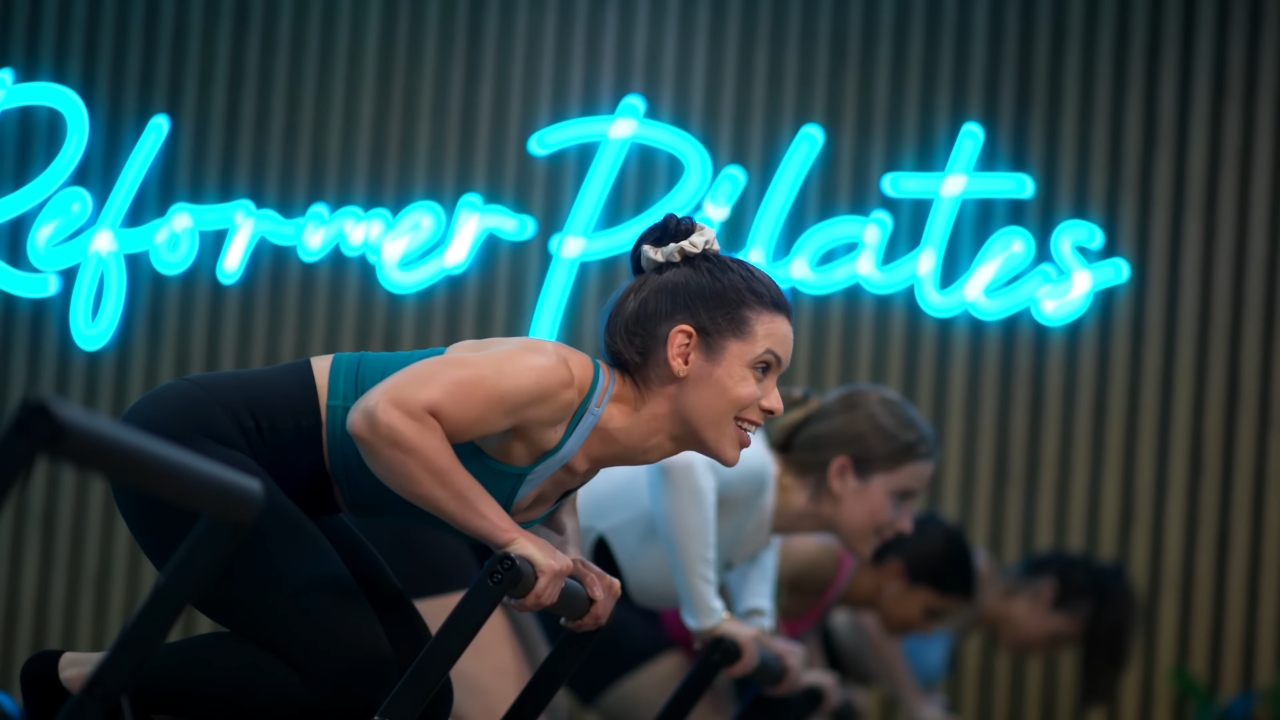
The biggest thing I would tell a beginner is not to try to get fit enough before booking a Reformer class. Book an appropriate beginner class and arrive early enough to tell the instructor that the machine is new to you.
Some Reformer studios now use screens instead of instructors, so check how much personal guidance you will receive before you book your first class.
- Check the studio’s grip-sock policy before you arrive.
- Wear clothing that lets you move without catching in springs or straps.
- Tell the instructor about injuries, pain, pregnancy, surgery, or anything else relevant before class begins.
- Don’t copy the person on the next machine if your setup or spring setting is different.
And please do not worry if the choreography feels awkward at first. Everybody has a first attempt at getting both feet into the straps without looking graceful. The machine becomes familiar faster than it seems.
Why I understand the Reformer obsession
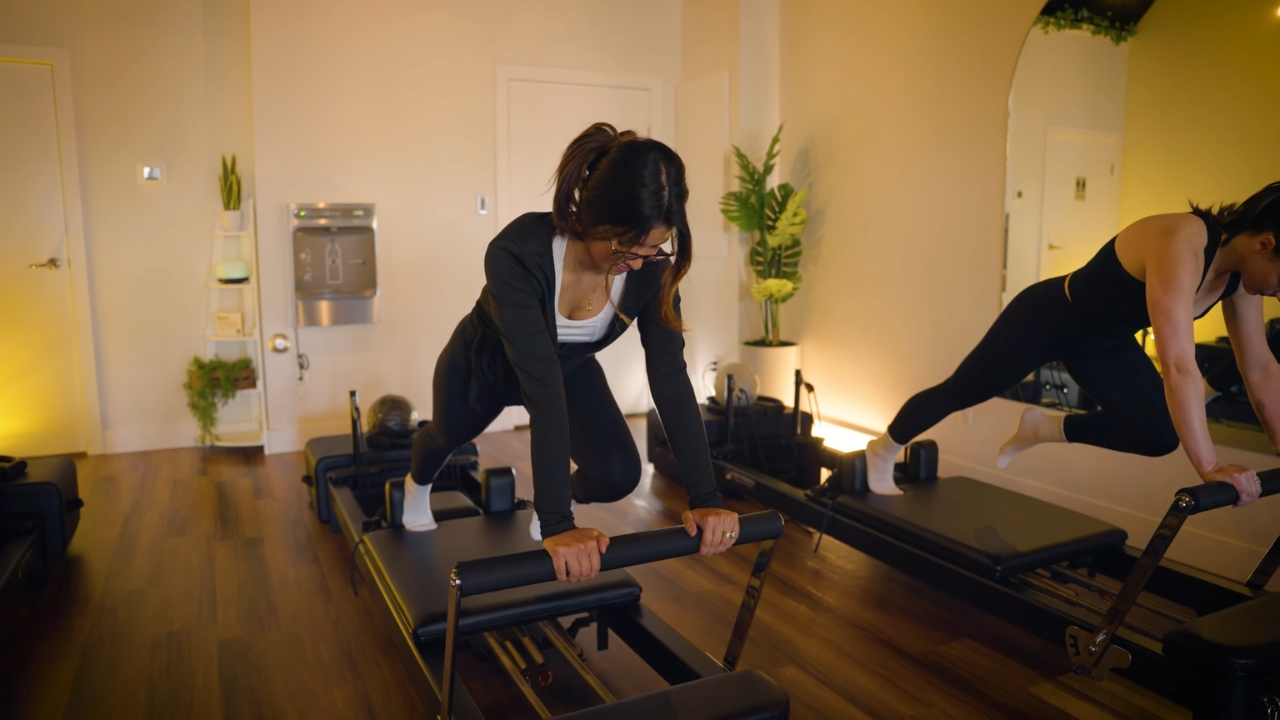
I understand why Reformer Pilates keeps filling schedules. The machine gives Pilates an enormous range of options, classes have a clear structure, and there is something satisfying about feeling your control improve from one session to the next.
The booking numbers show that plenty of people agree.
Still, I would not call the Reformer magical or automatically better than a mat. It is a clever tool for doing Pilates, one Joseph Pilates was developing nearly a century ago.
If you are curious, start with a beginner class, learn what the springs are actually doing, and give yourself a few sessions before deciding how you feel about it.