
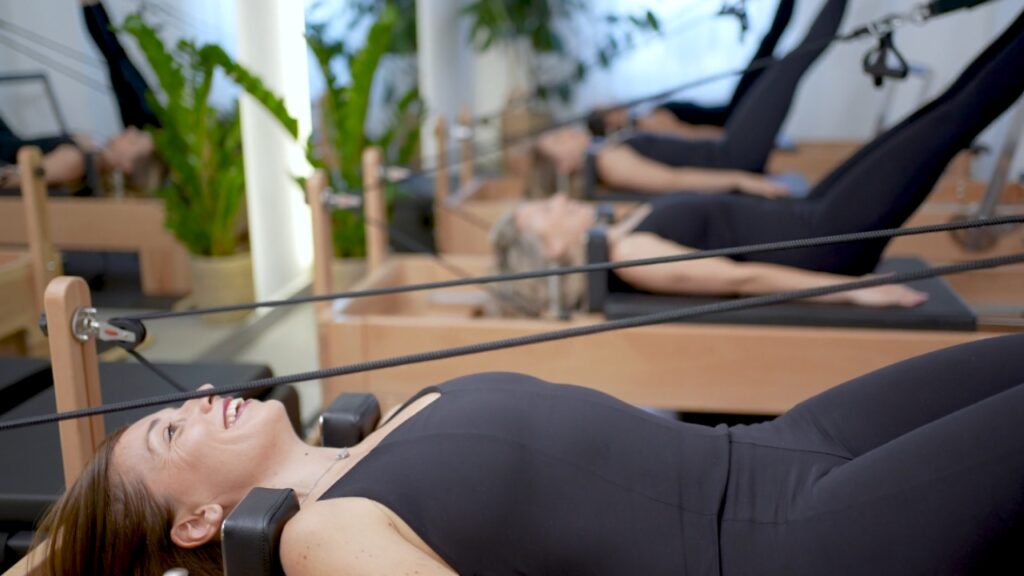
Yes, the price of a reformer class can make you flinch. Fifty minutes on a machine costs about the same as dinner out, and it’s fair to wonder what exactly you’re paying for.
Here’s where the money goes. The reformers themselves are expensive, and each one needs a good chunk of floor space, so a studio can’t pack in people the way a yoga room can.
Classes stay small, which means fewer people are splitting the cost of the instructor, who has done real training to teach this well. Then there’s rent, insurance, and keeping the machines in good repair. And a studio still has to cover its costs when half the reformers sit empty on a Tuesday morning.
It can still sting, and I won’t pretend otherwise. But once you see what’s behind the booking fee, the number tends to feel a lot less random.
What the same studio looks like with mats vs. reformers
Here is a simplified example that makes the price difference easier to see. Imagine the same studio has 646 square feet of usable exercise space. The rent, instructor time, utilities and other operating costs are identical. Only the class format changes.
| Mat Pilates | Reformer Pilates | |
| Usable exercise space | 646 square feet | 646 square feet |
| Typical space needed per person | About 43 square feet in this example | About 86 to 97 square feet per reformer in a comfortable layout |
| Spots available | 15 | 6 |
| Specialized equipment investment | Low | $18,000 to $36,000 for six commercial reformers |
| Example operating cost per class | $150 | $150 |
| Minimum price per person at full capacity | $10 | $25 before reformer costs |
| Minimum price at 80% occupancy | $12.50 | $31.25 before reformer costs |
The $150 class cost above is an example rather than an industry average. A studio owner would replace it with the real cost of instructor pay, rent, utilities, insurance, booking software, cleaning and other overhead allocated to one session.
What interests me most is the difference created by capacity. Fifteen mat clients can divide that $150 between them. Six reformer clients cannot. At 80% occupancy, the mat class has 12 paying clients while the reformer class averages fewer than five. Suddenly the higher booking price makes much more sense.
Reformer studios have much higher equipment costs
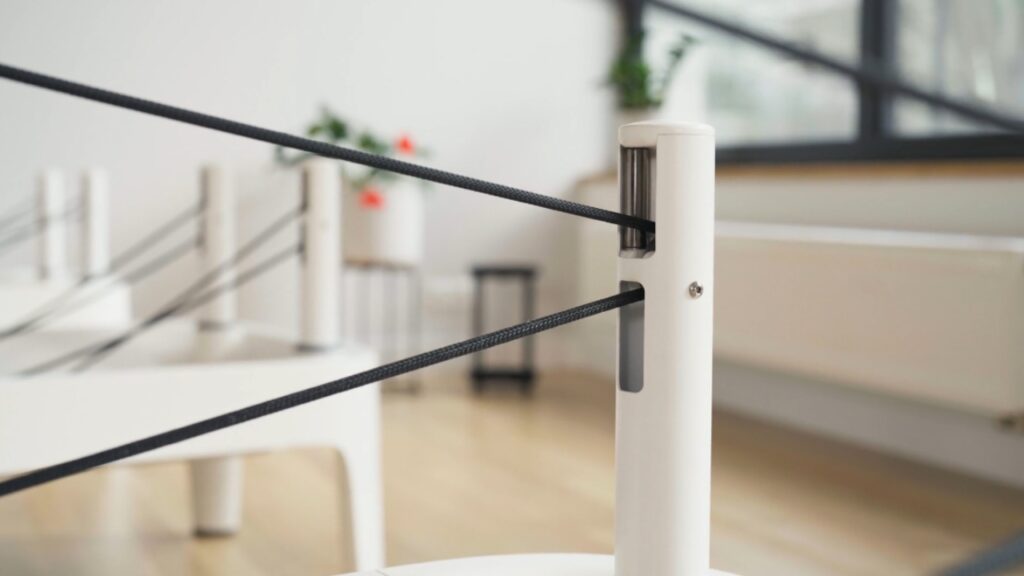
A mat class starts with a floor and enough room for people to move. Reformer Pilates starts with a piece of specialized equipment for every person in the room.
The machine has come a long way since Joseph Pilates patented his apparatus in 1927, although the origins of the first Pilates Reformer remain the subject of historical debate.
To put real numbers on it, Sporting Goods Intelligence listed the Balanced Body Allegro Nextgen reformer at $3,245 when it launched in September 2025.
The same piece put Merrithew’s professional reformers, the kind you’ll find in plenty of studios, at anywhere from $3,000 to $5,000 depending on how they’re set up. And that’s per machine, before you’ve bought a single extra one for the rest of the room.
One room with eight reformers can therefore represent tens of thousands of dollars in equipment before mirrors, flooring, props, reception space, or changing areas enter the picture.
That bill does not disappear after opening day. Springs, straps, wheels, upholstery, and moving parts all need inspection and maintenance. A studio is paying for equipment every day, even when nobody is lying on it.
A reformer takes up the space of a paying customer
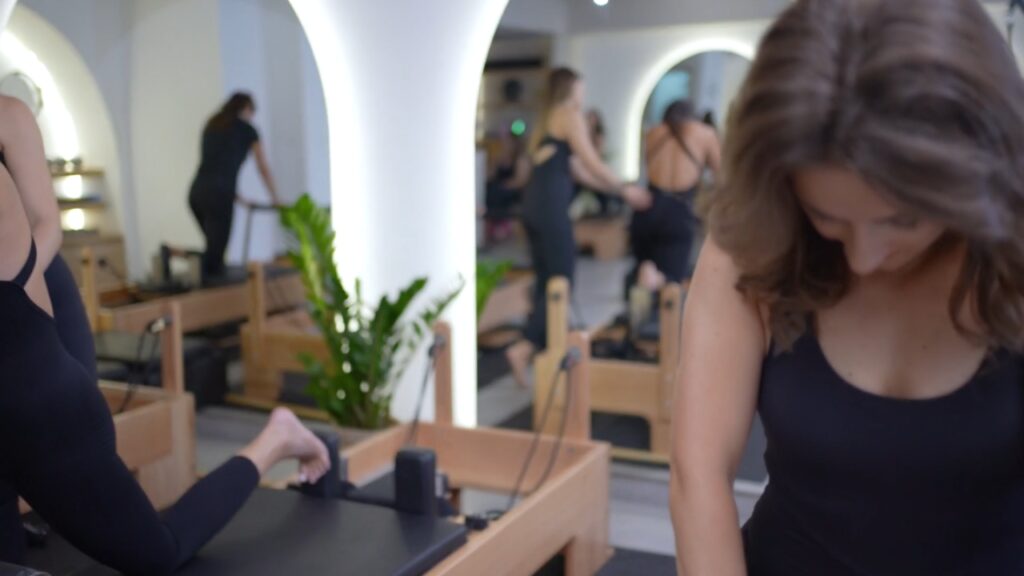
Floor space changes the math before the class even starts. A mat studio can place many people in one room with relatively little equipment. A reformer room has a fixed number of machines.
Each machine needs enough surrounding space for the instructor to move and for clients to use the carriage, straps, box, and footbar safely.
- Six reformers mean no more than six paying spots in that class.
- Eight reformers mean no more than eight paying spots.
- An empty machine earns nothing during that time slot.
Rent still arrives every month. Heating, lighting, cleaning, booking software, and other operating costs still have to be paid. Smaller groups can be one of the nicest parts of reformer Pilates. They are also one reason the price per person can stay high.
Reformer classes need to stay small
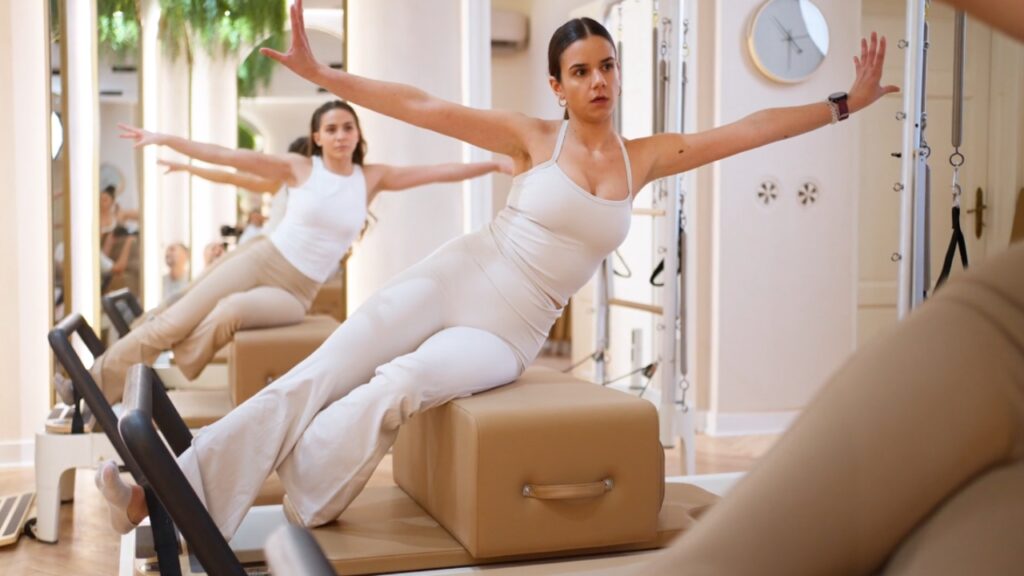
A reformer has a moving carriage, springs, straps, and settings you can change every few minutes, so I can’t teach it from the front of the room and hope for the best. Everyone walks in with a different height, strength level, and amount of experience, too.
I’m constantly scanning the room: where are their feet, is that spring too heavy, who’s letting the carriage slam back instead of controlling it?
Research backs this up. One review of Pilates studies on chronic low back pain found that the sessions were supervised and ran 30 to 60 minutes. The instructor-to-participant ratios ranged from one instructor for eleven people all the way down to one-on-one.
That doesn’t mean every studio should run at a set ratio. But it does show how much attention can go into teaching Pilates in person, which is a very different thing from following along with a video.
Instructor training is part of the bill
Instructors need enough knowledge to explain the machine, choose sensible progressions, watch movement, and react when someone is struggling. The exact training path varies because Pilates instruction is not regulated in the same way everywhere.
The United States Bureau of Labor Statistics reported a median annual wage of $47,160 for fitness trainers and instructors in May 2025. Employers also commonly prefer certification, although the required education varies by specialty.
View this post on Instagram
Pilates has its own professional certification standards too. The National Pilates Certification Program requires candidates seeking its comprehensive credential to complete at least 450 hours of Pilates education covering the reformer and other apparatus before taking the certification exam.
That level of training takes time and money, and instructor pay becomes part of what a studio has to recover through class fees. Paying more still does not automatically guarantee better teaching, so qualifications, experience, and class size are worth checking.
The price really can reach dinner territory
The dinner comparison sounds dramatic until you look at current U.S. class prices. New York Pilates, for example, currently charges $55 for a single reformer class at its Bowery studio in New York City. Memberships and class packs can bring the per-class price down, but paying around $50 for one session is very real.
Prices vary by city, studio, membership, and class size, so there is no single reformer rate across the U.S.
| Cost factor | Why it matters |
| Reformer | One specialist machine is needed for each participant |
| Space | Every machine occupies permanent floor area |
| Instructor | Smaller classes spread the teaching cost across fewer people |
| Empty spots | Unused machines still sit inside a rented studio |
A $50 to $55 class can look expensive beside a basic gym visit. The business behind it is also very different. Far fewer people may be sharing the room, equipment, and instructor during that hour.
Some studios now run much larger reformer groups, though, so class size is worth checking before assuming a high price automatically means lots of personal attention.
Popularity can keep prices firm
Reformer Pilates is not some tiny fitness niche anymore. It has become a serious business.
The ClassPass report offers a useful clue: Pilates held the platform’s top workout spot for a third straight year in 2025, and Reformer was its most-booked Pilates format.
Back in September 2024, Reuters said that L Catterton agreed to buy a majority stake in Solidcore. The deal valued the company at between $600 million and $700 million. Solidcore had around 130 studios across 25 states and Washington DC at the time, with plans to grow to 250 locations globally by 2028.
L Catterton acquires a majority stake in Solidcore.
The deal values the pilates chain at $600M–$700M.
Read more: https://t.co/QyCnCDSwNb https://t.co/vbQKitgx11
— Fitt Insider (@fittinsider) September 26, 2024
But if a studio has six reformers and the evening classes are constantly full, there is not much pressure to lower the price. People are already booking the spots.
And once you remember there are only six of them, the whole thing starts to make a little more sense.
You can lower the cost without giving up Pilates
I like reformer Pilates. I also do not think anyone should feel that boutique studio prices are the entry fee for Pilates itself. Mat Pilates uses the same broad method without requiring a machine for every participant. A good mat class can still work on control, strength, coordination, breathing, and body awareness.
Mat-based formats have also evolved, with hot mat Pilates now drawing strong interest among younger studio clients.
Class packs or memberships can lower the cost per visit at some studios. Read the conditions before paying. Expiration rules matter if your schedule changes often.
Another option is a Reformer studio with screen-led classes, where lower prices can come at the cost of personal instruction.
Mixing formats can also make sense when regular reformer sessions stretch the budget. One reformer class can give you time with the machine and an instructor. Mat sessions can make up more of your weekly practice.
I would rather see someone practice regularly in a way they can afford than spend beyond their comfort level because the Pilates Princesses trend has made boutique reformer classes look essential.
What that booking fee is really paying for
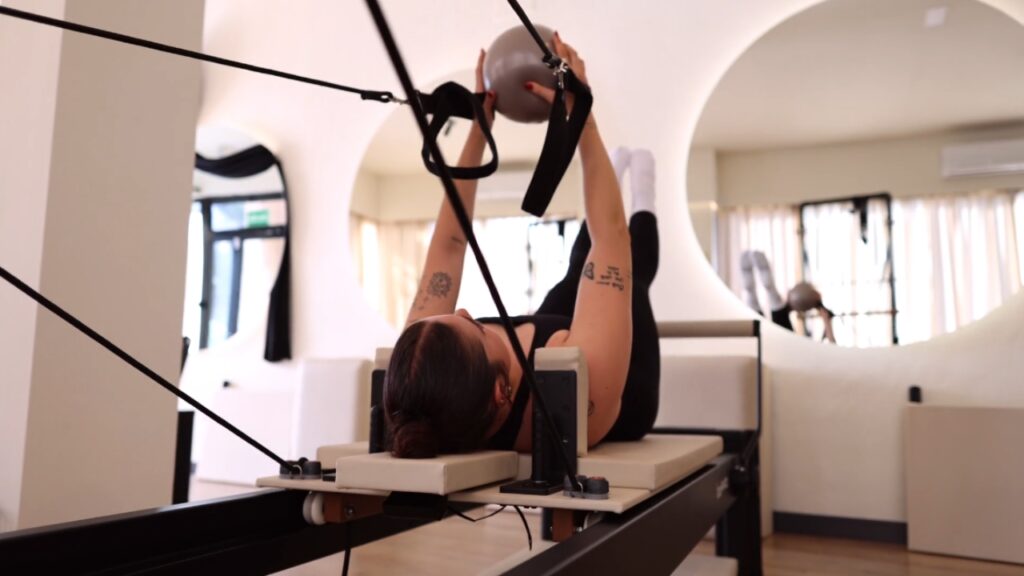
I still think reformer classes are expensive, especially if you want to go several times a week. But when I look at how few spots a studio can actually sell in each class, I understand the price a lot better.
Personally, I would rather pay a little more for a smaller class where the instructor actually notices what I am doing than save money and feel like person number 23 in the room.